Podcasts
Practical, compassionate guidance from GBMC clinicians for every stage of life.
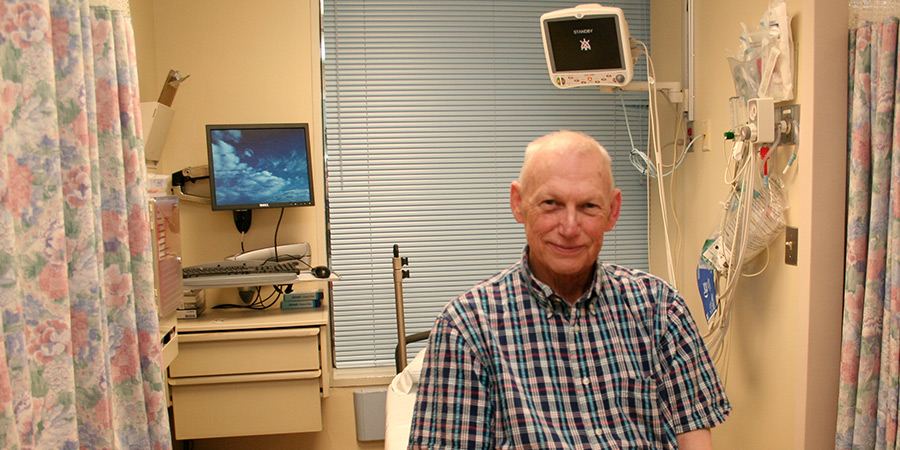
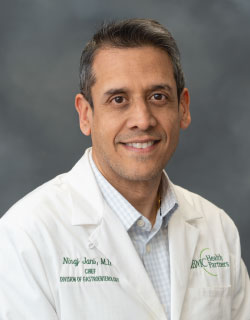
If it weren’t for a routine endoscopy, Allen Woods, 68, wouldn’t have known there was a silent disease afflicting his esophagus. Mr. Woods had struggled with gastroesophageal reflux disease (GERD) for years and had been taking prescription medications to alleviate symptoms. However, as it does in approximately 15 percent of chronic GERD patients, the condition led to a more serious disease called Barrett’s esophagus (BE). That’s why he turned to Niraj Jani, MD, Division Head of Gastroenterology at GBMC.
BE causes damage to the lining of the esophagus and can increase a person’s risk of developing esophageal cancer. This realization was of extra concern to Mr. Woods, as he is an oropharyngeal cancer survivor, putting him at higher risk of developing esophageal cancer.
"Often, BE doesn’t show any warning signs besides GERD, so the timing of his endoscopy was fortunate. Factors that increase risk of developing BE include a long history of GERD or being older in age, overweight or a Caucasian male."
In some cases, the only necessary treatment is lifestyle and diet changes to help manage GERD in an effort to prevent BE from developing further. These include limiting or eliminating certain foods and beverages, like fatty foods and caffeine that aggravate reflux symptoms, and maintaining a healthy weight.
In Mr. Woods’ case, to prevent his BE from developing into cancer, he underwent a series of three simple procedures to eradicate the affected area. This procedure, called an EGD (esophagogastroduodenoscopy), uses a long, thin tube with a light and camera at the end, to visualize and biopsy abnormalities in the lining of the esophagus. During his EGD, Mr. Woods underwent a procedure called radiofrequency ablation (RFA), which is a highly effective method for eradicating Barrett’s esophagus. “During the procedure, heat energy generated by current is used to burn abnormal cells,” explains Dr. Jani, who adds that GBMC was the first community hospital in the Baltimore area to offer this treatment option.
“I feel fortunate that this treatment option is available,” Mr. Woods says. “Rather than removing whole sections of my esophagus, Dr. Jani was able to remove only the abnormal cells in the lining.” Mr. Woods hasn’t had any adverse side effects from treatment and feels it’s impacted his life in a major way: “Knowing that I’m being closely monitored greatly reduces my anxiety about cancer. The peace of mind is priceless,” he says. Mr. Woods will undergo routine surveillance, but at the present time no longer has Barrett’s esophagus.
Endometriosis is a complex condition that can affect more than just menstrual cycles. It may cause pelvi...
As we age, our skin becomes thinner and more porous, which means wounds can happen more often and take ...
From Paari Gopalakrishnan, MD, MBA, GBMC HealthCare, President and CEOAs a hospitalist, I heard this ques...
Marsha Hammond's positivity is catching. In fact, she does what she can to share it with anyone who might...

...
Ranked as one of the hospitals in Maryland with the highest stroke survival and recovery ratesAccording t...
Review GBMC’s Quality & Patient Safety Metrics — our transparency dashboard showing performance on CLABSI, hand hygiene, HCAHPS, hospice comfort, and more.”
img.wellbeing { max-width:900px; } @media only screen and (max-width : 700px) { img.wellbeing { ma...
GBMC is committed to the wellness of each employee as a whole person – this includes physical, emotiona...

GBMC Gastroenterology Practice offers a multi-disciplinary approach for the diagnosis and treatment of disorders of the esophagus, stomach, small intestine, colon, pancreas, gallbladder and liver for adults 18 and over.
Practical, compassionate guidance from GBMC clinicians for every stage of life.