

Podcasts
Practical, compassionate guidance from GBMC clinicians for every stage of life.
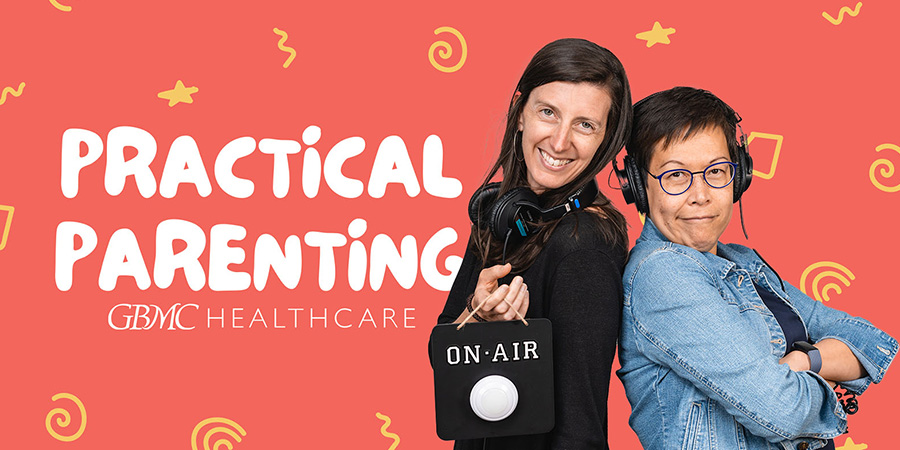
Body image has long been discussed as an issue affecting girls and young women. However, recent trends show boys are increasingly experiencing body dissatisfaction and eating disorders. In this episode of Practical Parenting, we explore how body shaming affects children today and why this issue is evolving.
For decades, girls have been exposed to an idealized image of the “perfect” body—very thin, with little body fat. These images appear everywhere, from advertising to social media to entertainment, and boys are now experiencing similar pressures from these mediums. The emerging cultural ideal for boys is a muscular, chiseled body with a square jaw, broad shoulders, and visible abdominal muscles. Images of actors and models who often achieve these looks through intense training and strict routines create unrealistic expectations for young people.
Children begin absorbing these messages earlier than many parents realize. Even toys and superhero characters often portray exaggerated body shapes, reinforcing the idea of what bodies “should” look like. As boys engage more with social media later in life, they are also exposed to content that emphasizes muscular physiques and encourages posting images that attract likes and attention.
This pressure can contribute to body dysmorphia and disordered eating behaviors. Disordered eating includes behaviors such as skipping meals, fasting, dieting, restricting foods, or eliminating specific food groups. Eating disorders, by contrast, are complex mental illnesses that involve disturbances in eating along with psychological impairment and often require professional treatment.
In recent years, physicians have seen increases in both these behaviors among boys and younger children. Boys and young men now make up roughly one-third of eating disorder diagnoses.
Another condition gaining recognition is ARFID, or avoidant restrictive food intake disorder. Unlike typical picky eating, ARFID involves extreme and rigid food avoidance that significantly limits a child’s diet and may affect their nutrition and health.
Parents play a critical role in prevention. Parents should avoid becoming “food police” and instead model and talk about balanced eating habits. Talking about food as something to enjoy, rather than something that must follow strict rules, can create a healthier relationship with eating.
Family meals also provide important opportunities for connection and observation. Eating together allows parents to notice changes in their child’s eating habits, which can be an early warning sign of disordered eating. It also creates a communal experience around food and encourages everyone to slow down and enjoy what’s in front of them.
As always, if parents notice something is off, aim to have honest, open conversations without judgment about what is being seen and how parents can support, always allowing the child to lead the conversation.
Body image pressures are not new, but they are evolving. While social media and cultural ideals may shape how kids see themselves, parents still have tremendous influence on how children relate to themselves. Just like with our body, the goal isn’t perfection. Our job is to help our kids develop a relationship with food and their bodies that is grounded in health, enjoyment, and self-respect.
Listen on ...

Neonatal-Perinatal Medicine +1 more
GBMC Health Partners

For Dr. George Duncan and his daughter, Dr. Katherine Duncan, ophthalmology is more than a profession. It...
In this episode of In Full Bloom: A Women's Health Podcast, Joan Blomquist, MD, Chair of the Department of Gynecology at GBMC, and host Mary Beth Marsden discuss menopause, perimenopause, and hormone replacement therapy (HRT).
Fatherhood has changed dramatically over the past several generations. In this episode, psychiatrist and ...
June is Men’s Health Month. And, while according to the American Cancer Society, colorectal cancer is ...

Diagnosing, counseling and managing individuals and families with many different genetic conditionsSome c...
The GBMC Pediatric Group services includes routine check-ups, childhood immunizations, treatment for chronic medical conditions as well as care when your child is sick.
GBMC's robust pediatric program offers basic well child services, such as immunizations and physicals in addition to emergent care and specialized inpatient and neonatal intensive care.
Practical, compassionate guidance from GBMC clinicians for every stage of life.